
Humpback whales are awesome. San Jose del Cabo, Mexico (on the southern tip of Baja California), and the channel between Maui and Lanai in Hawaii are my favorite places to watch the Pacific whales. Humpback whales are pretty smart… they spend the winter in the warm waters of the Sea of Cortez or in Hawaii and their summers in the waters off Alaska.
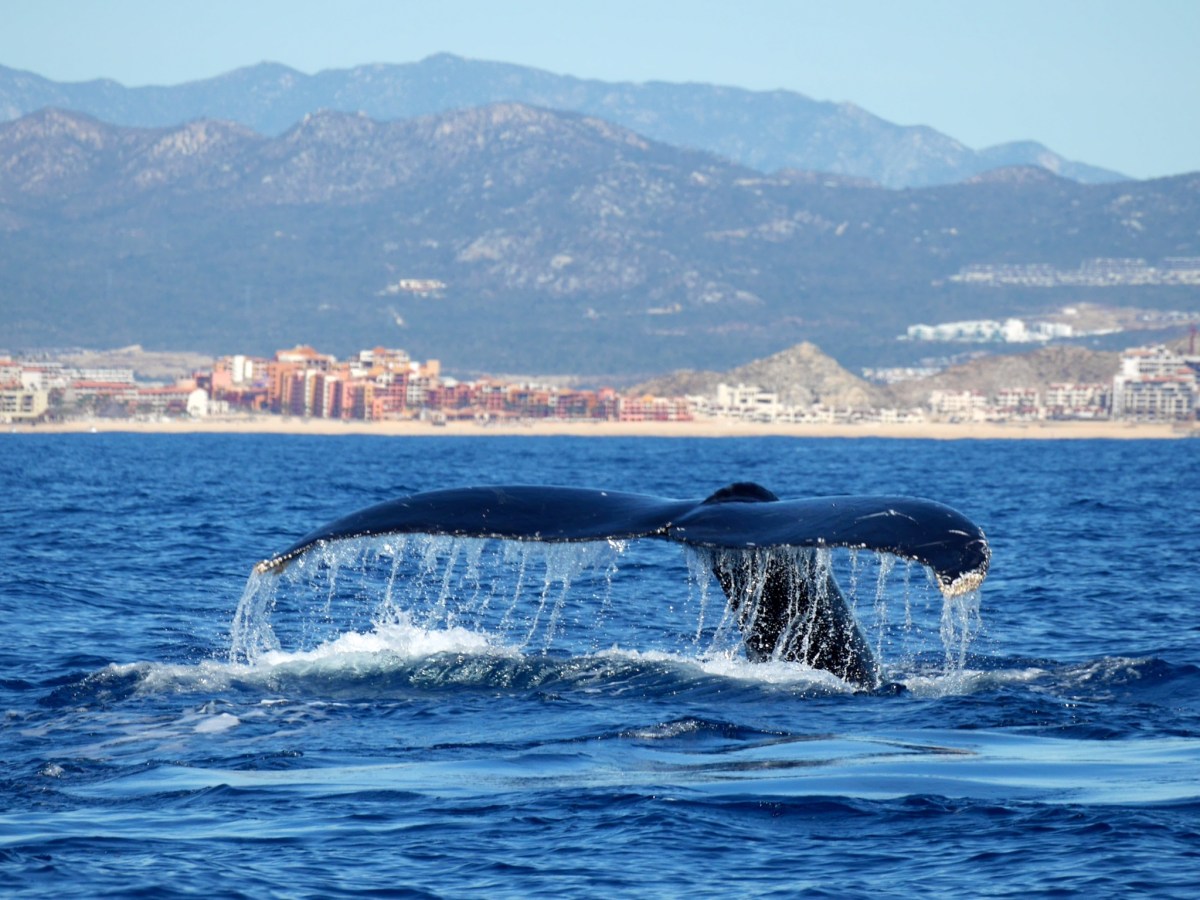
Cabo Humpbacks
I have been lucky to get some great pictures of whales in the last couple of years. These are off the coast of San Jose del Cabo.


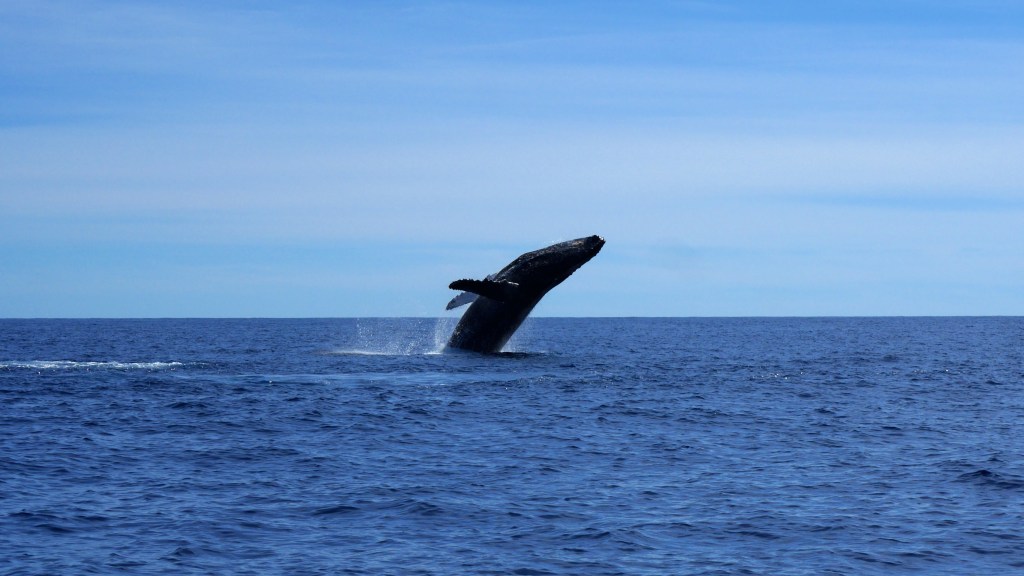
10 amazing things about Humpback Whales
- On the move – Humpback whales migrate thousands of miles every spring and fall. In the fall they migrate to warmer waters to spend the winter to have their calves (babies) and to mate.
- Fasting – They only eat in the summer when they are in Alaska. Talk about intermittent fasting! They don’t eat all winter?
- Eating – Humpback whales are “filter feeders”. So they have baleen, not teeth. They eat krill and small fish by opening their mouths and filtering huge amounts of water through their baleen.
- Collaboration – Humpbacks have a number of collaborative feeding tricks. One whale will corral krill into a small space by making a bubble ring or slapping their fluke or pectoral fin. Then another whale, or two, will swim up from the depths with their mouths wide open and enjoy a dense collection of food.
- Tricks – Mother whales teach their calves all these collaborative feeding tricks shortly after they are born, which makes for great entertainment when whale watching.
- Got milk – Female humpbacks will usually only have one calf at a time. This is probably a good thing since the mother has to produce about 120 gallons of milk each day to nourish her calf! That’s about 2 – 3 bathtubs full of milk…. a day. The calf will stay with its mother for 8-12 months. That’s a lot of milk!
- Who gives a crap – Whales contribute to the health of their ecosystem by…. pooping! Whale poop, while not very pleasant smelling is an amazing fertilizer that supports the growth and health of their food source. And it is estimated that their iron-rich poop supports more replenishment of their food source than they actually eat. Really! (for more info on this see https://slate.com/technology/2021/11/whale-poop-ocean-fertilizer-carbon-sequester-nature.html )
- A global sing-a-long – The fact that humpback whales sing is widely known…but it is only the males that sing. And…. all the males sing the same song… What? Yes, all the humpback whales in the world (Atlantic and Pacific) sing the same song. Wait what? The song changes over time… and they all sing the latest version. What, wait, what! Whales don’t have vocal cords and they don’t extrude any air when they sing. While there is some speculation on how they create such a loud (the sound travels thousands of miles in the ocean) and controlled sound, no one really knows how they sing. (for video w/song https://www.youtube.com/watch?v=WabT1L-nN-E ). Also, no one really knows why they sing.
- Waze? – Another mystery about humpbacks is how they navigate such long distances, underwater with such precision. While the males go wherever the females are, the females return to the same feeding grounds in the summer and the very waters in which they were born in the winter. Some researchers have tagged numerous humpback whales and tracked their migrations from their summer feeding grounds to their winter breeding grounds, which is often a journey of thousands of miles. Their route didn’t vary by more than 1 degree. Even when dealing with storms, wind and strong shifting ocean currents…. they followed exactly the same path. Here again, no one knows for sure how they do that.
- Swimming is easier – Apparently, whales used to walk. The skeleton of a whale shows small remnants of hind legs attached to their hip. There are a number of studies that show the ancient ancestors of whales were land-based.

 Whales & Boats & Golf & Rocks